

Exploring the hidden motives behind gambling behavior
The Psychology of Gambling
The allure of gambling extends beyond mere chance; it often taps into deep psychological needs. Many individuals are drawn to the thrill of uncertainty and the potential for a significant reward. This excitement can trigger a release of dopamine, the brain’s feel-good neurotransmitter, reinforcing the behavior and making it more appealing over time. It’s also important to consider safe practices for gaming, which can be explored further at https://countryheartnhome.com/. Understanding this psychological mechanism helps to shed light on why some people engage in gambling despite the risks involved.
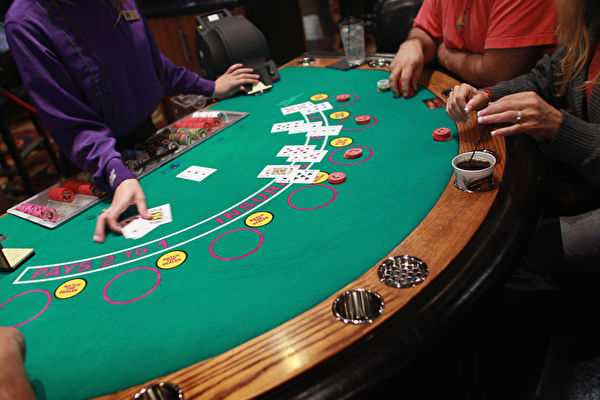
Moreover, the social aspect of gambling cannot be overlooked. For many, participating in games or betting events provides a sense of community. Whether it’s playing poker with friends or attending a sports betting event, the social interactions associated with gambling can fulfill emotional needs for connection and belonging, further complicating the motives behind the behavior.
Types of Gamblers
Gamblers can be categorized into various types based on their motivations and behaviors. Recreational gamblers play for fun and typically have strict limits on their time and money spent. They enjoy the entertainment value without allowing it to interfere with their daily lives. In contrast, problematic gamblers may experience a compulsive urge to gamble, often leading to detrimental financial and personal consequences.
Another category includes the escape gamblers, who turn to betting as a means to distract themselves from stress or emotional pain. This behavior can provide temporary relief but often leads to more profound issues, as the underlying problems remain unaddressed. Identifying these types can aid in understanding the broader spectrum of gambling behavior and how different motivations manifest.
Social Influences on Gambling
Social influences play a significant role in shaping gambling behaviors. Peer pressure and societal norms can encourage individuals to gamble, especially among younger demographics who may feel the need to conform. Media portrayals of gambling often glamorize the lifestyle, making it seem attractive and socially acceptable, which can lead to increased participation.
Furthermore, family background and socioeconomic factors can influence an individual’s propensity to gamble. Those raised in environments where gambling is normalized may be more inclined to adopt similar habits, perpetuating a cycle that can be hard to break. Understanding these social dynamics can provide insight into the motivations behind gambling and its potential impact on individuals and communities.
The Impact of Technology on Gambling
The rapid advancement of technology has transformed the gambling landscape. Online casinos and mobile betting apps have made gambling more accessible than ever, often blurring the lines between entertainment and addiction. The convenience of placing bets from the comfort of home appeals to many but can also escalate problematic behaviors as the barriers to gambling decrease.
Additionally, technology fosters an environment of instant gratification, which can exacerbate gambling tendencies. Features such as live betting and in-game wagering heighten excitement but can also lead to impulsive decisions. Understanding the role of technology in gambling behavior is crucial in developing strategies for responsible gambling and preventing addiction.

Responsible Gambling Practices

Leave a Reply